
Her Period Her Right - Ghana Edition
Project Description:
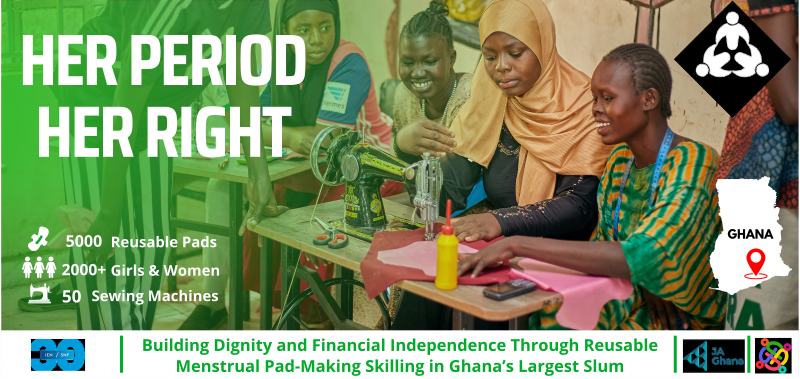
The HER PERIOD HER RIGHT Project seeks to build dignity and financial independence through reusable sanitary pad production training and comprehensive reproductive health education in Old Fadama, Ghana’s largest slum.
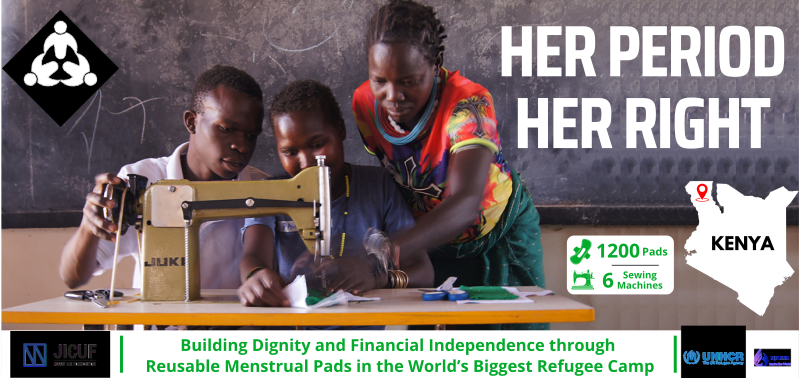
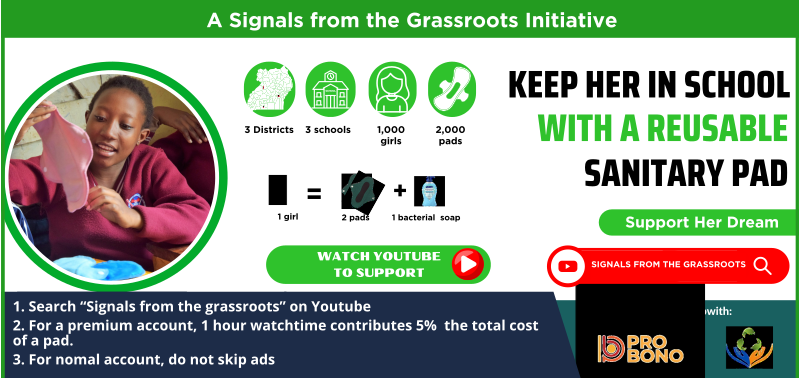
This project builds on Signals from the Grassroots past similar projects (Her Period Her Right Project in Kenya's Kakuma Refugee Camp, one of the world’s biggest refugee camp, which was a partnership with UNHCR) and (Keep Her In School with a Reusable Sanitary pad in Uganda’s 3 most rural districts).
Why the Projectis needed
According to research by the BBC, a woman earning Ghana’s minimum wage of just $26 per month must spend $3 — more than one in every seven dollars she earns — to purchase two packets of basic sanitary pads. This represents 13.2% of her total monthly income for a single, unavoidable need. Among nine countries studied, Ghana ranks as the most expensive place to be poor and menstruating. In a context where many families already struggle to afford food and other essentials, this cost forces many to resort to unsafe alternatives.
The crisis is even more severe in Old Fadama, home to an estimated 80,000 – 100,000 residents, nearly 90% of whom are between ages 12 and 44 — overwhelmingly menstruating age. Research by the Migrating out of Poverty shows women make up almost half of this population. Here, incomes fall far below the national minimum wage, and dignity is often sacrificed for survival. Many girls and women manage their periods using rags, paper, old cloth, or grass because pads are unaffordable. These unsafe practices expose them to infections and stigma. With limited access to education and reproductive health information, many girls report they did not understand menstruation when they experienced their first period. In Old Fadama, period poverty is a compounded vulnerability of economic hardship intertwined with lack of knowledge that undermines health, confidence, and opportunity.
To confront this injustice, Signals from the Grassroots will implement a twopronged, systems changing intervention. First, we will equip at least 2,000 girls and women with skills and tools to produce reusable sanitary pads, targeting the production of over 5,000 high-quality pads within one month. By providing sewing machines and essential materials — fabrics, absorbent cotton, threads, fasteners, and sewing kits — we transform beneficiaries into producers. Through a train the-trainer model, participants will teach peers, creating a ripple effect beyond the initial cohort. The pads will serve their personal needs, while surplus products can be sold to generate income, directly addressing both menstrual and financial poverty.
Second, we will deliver comprehensive sexual and reproductive health education to ensure knowledge rises alongside access. Participants will learn about menstruation, hygiene management, reproductive rights, and infection prevention, breaking cycles of silence and misinformation. We will partner with Junior Achievement Ghana to provide financial literacy and entrepreneurship training to the participants on how to capitalize on the acquired pad making skills to generate income for themseslves. We will also partner with Street Children Empowerment Foundation, a local NGO based within the slum to anchor the project into community ownership and sustainability by stationing the sewing machines there for easy access. Sewing machines and materials will remain in the settlement as permanent assets. Implementation is scheduled for August/September 2026, following mobilization and procurement, with monitoring and evaluation conducted from September to December to measure impact.
Implementation:
We will employ the same 2-pronged approach used in the Kenya Edition which includes;- 1. Training and Production of Reusable Pads
- Sewing Machines: Supply 50 sewing machines for reusable pad production and training
- Training Pioneers: Train 10 women and girls in each zone as pioneers. These trainees will, in turn, mentor others, ensuring the skills spread across the community.
- Production Materials: Provide essential materials such as fabrics, cotton sheets, threads, buttons, and sewing tools to produce 5,000 reusable pads during the project’s initial phase.
- 2. Menstrual Awareness and Financial Literacy Training
- Conduct awareness sessions aimed at dismantling menstrual stigma, engaging both men and women to create a supportive environment for girls and women.
- Junior Achievement Ghana, capitalizing on its experience, will deliver financial literacy and entrepreneurship training that will enable participants leverage the sewing and reusable sanitary making skills acquired to generate sustainable income for themselves.
Anticipated Results:
- Production of 5,000 Reusable Pads: Addressing the menstrual needs of vulnerable women and girls in Old Fadama slum.
- Skill Development: Equip atleast 2000 women and girls with tailoring skills that they can use to produce pads or other goods, fostering financial independence.
- Sustainability: By collaborating with Street Children Empowerment Foundation, we ensure the ongoing production of pads and optimal use of sewing machines and resources.
- Breaking the Stigma: Foster an inclusive and supportive environment through targeted community awareness programs.
Support this project:
You can support this project in 3 ways;
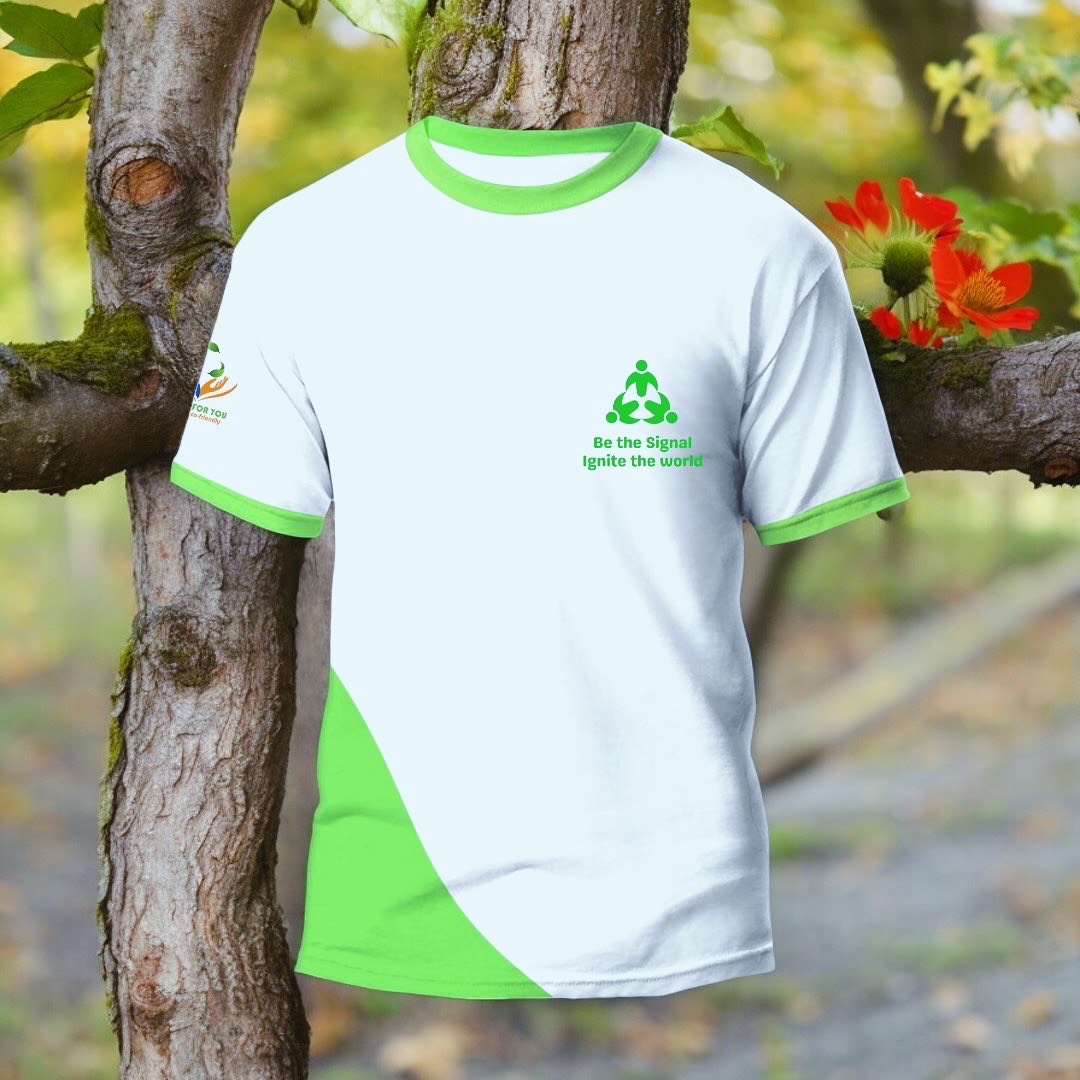
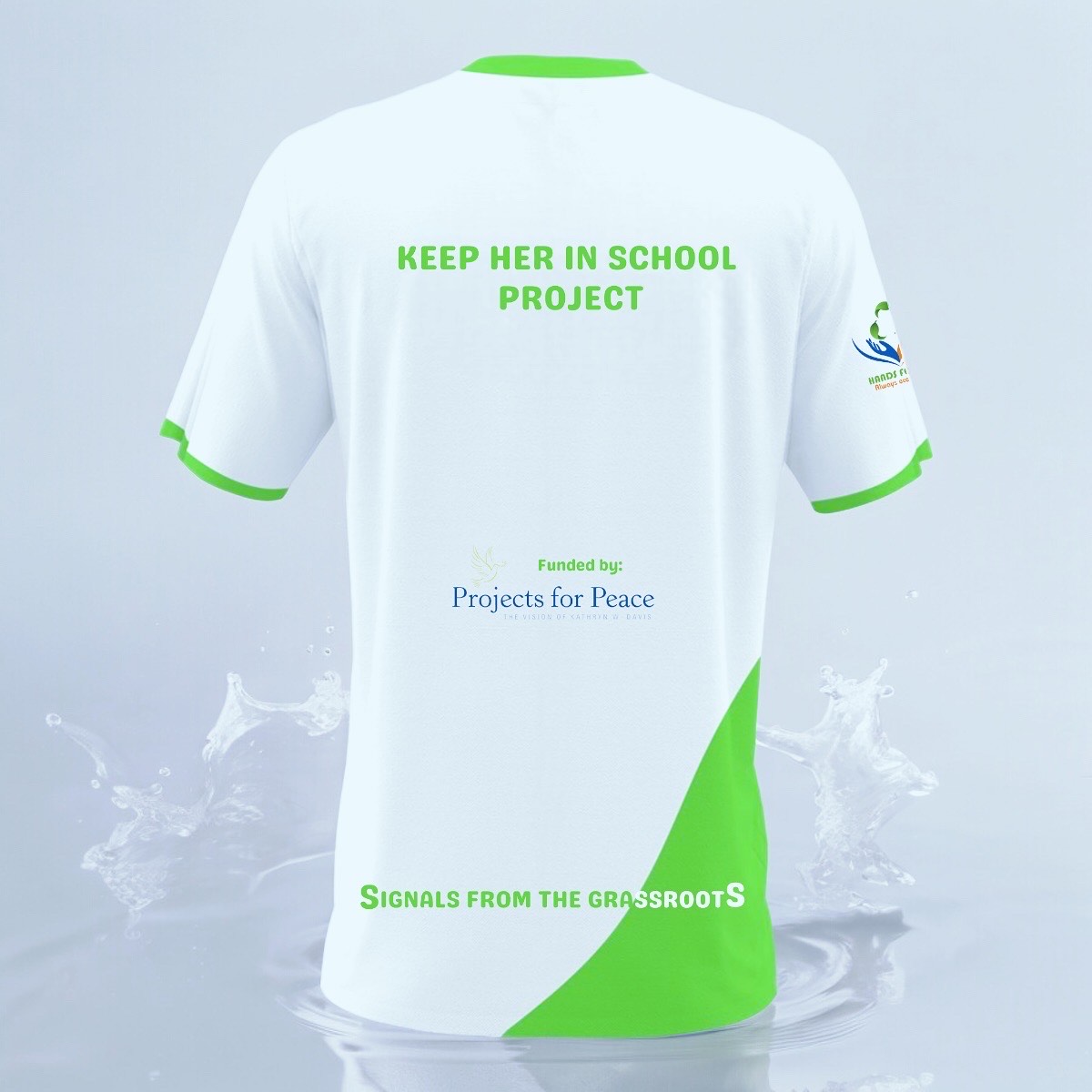
- Buy Yourself a Project Shirt below
- Make a Donation below
- Watch our Youtube videos.